Category: Campervan Conversions

Try Before You Buy

Thinking of Investing in a Campervan Conversion?

Try Before You Buy

Buying a campervan conversion is a big decision. Not just financially. It changes how you travel, how you spend weekends, even how you experience freedom. It’s exciting. But it’s also real life.

A lot of people fall in love with the idea of campervan life. They scroll social media. They picture the sunsets, the coffee with the doors open, the freedom. Then they invest in a build… and only afterwards realise it doesn’t quite fit how they actually live.

That’s exactly why Try Before You Buy is one of the smartest decisions you can make.

Loving the Idea vs Living the Reality

Campervan life can be incredible. But it’s different when:

  • It’s your bed, your storage, your kitchen, your toilet
  • It’s raining
  • It’s cold
  • You’ve been driving for hours an hours

Things people often only realise after using a camper properly:

  • How much storage they really need
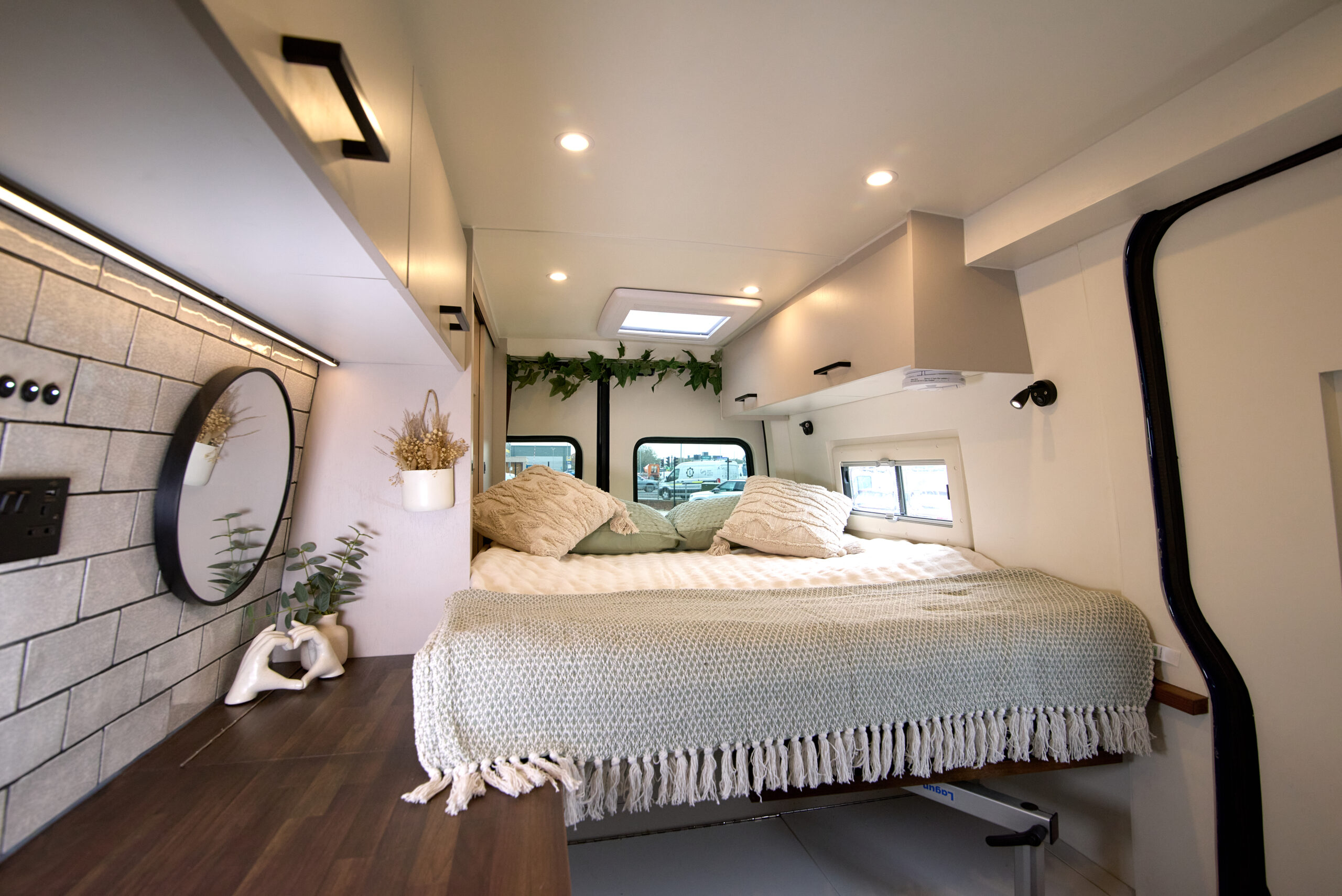
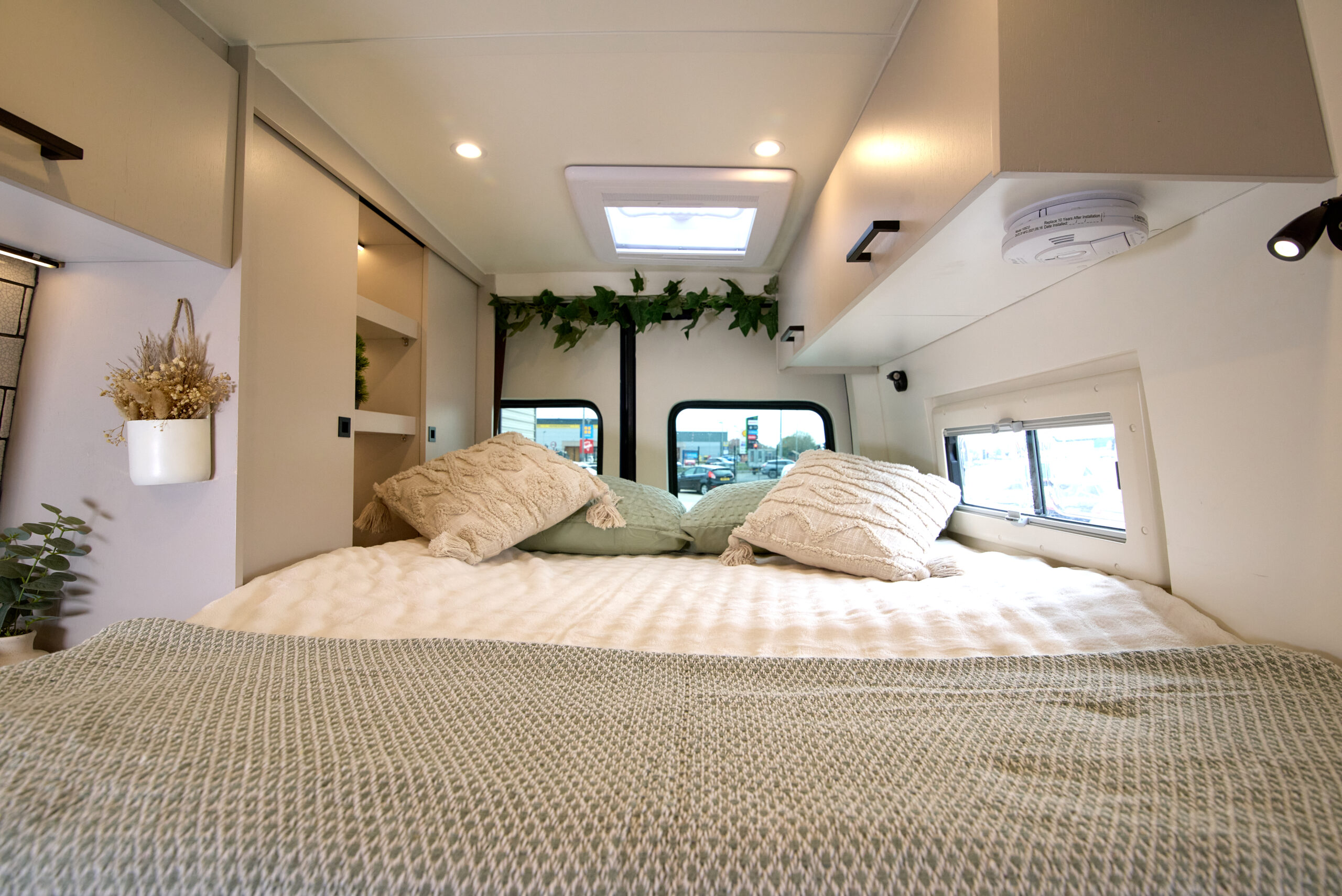
  • Whether the bed layout works
  • If they prefer cooking inside or outside
  • Whether they really need a shower
  • What comforts from home matter most
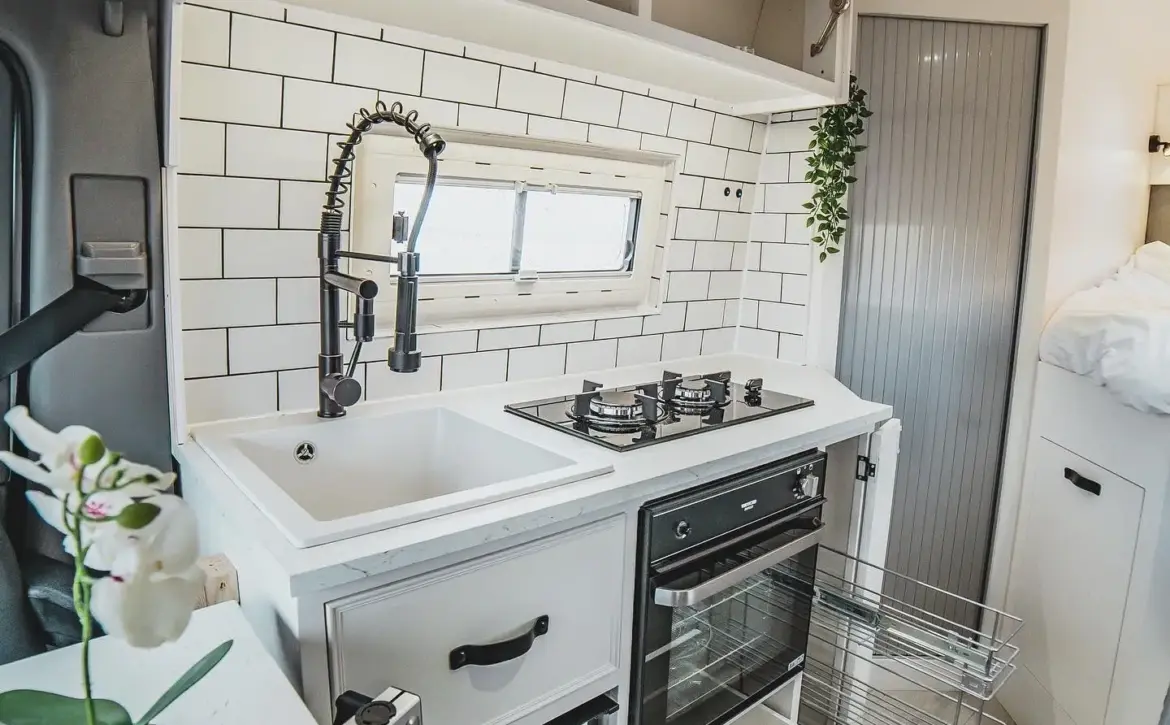
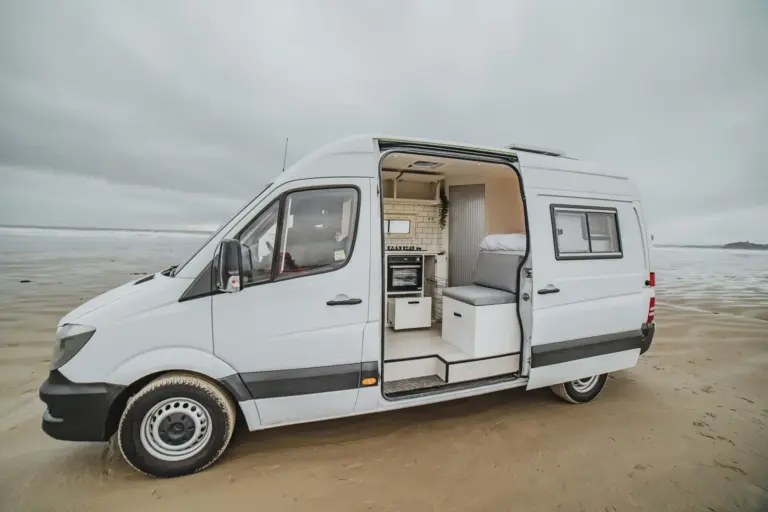
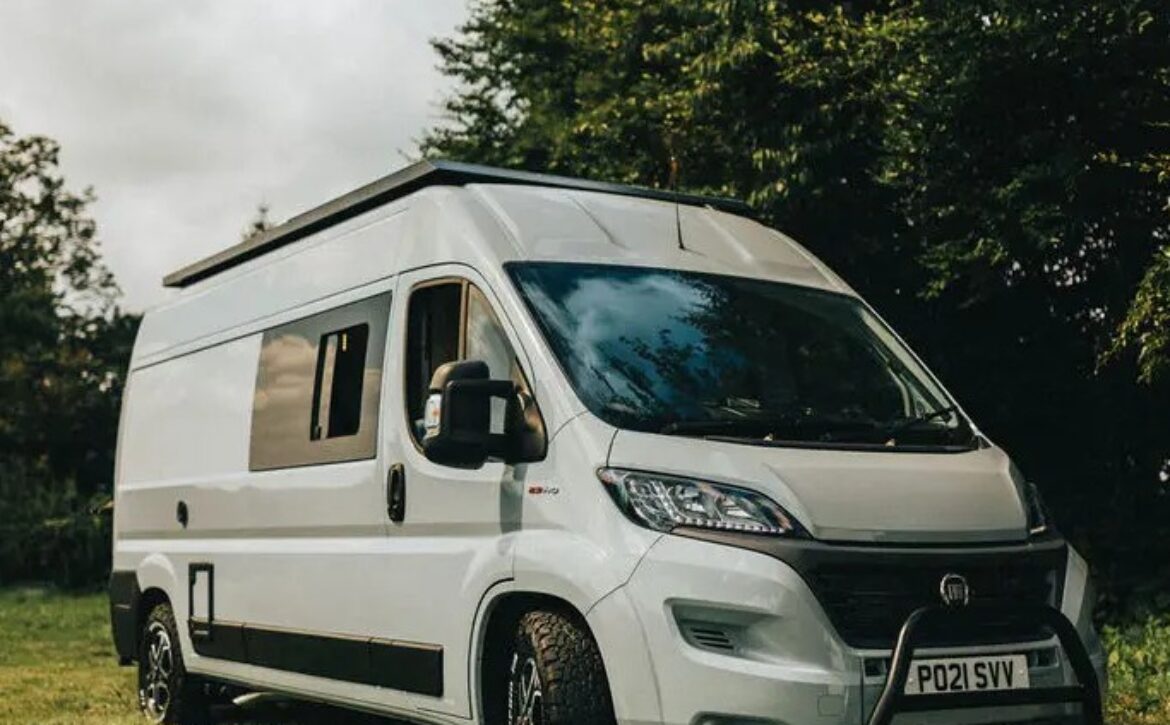
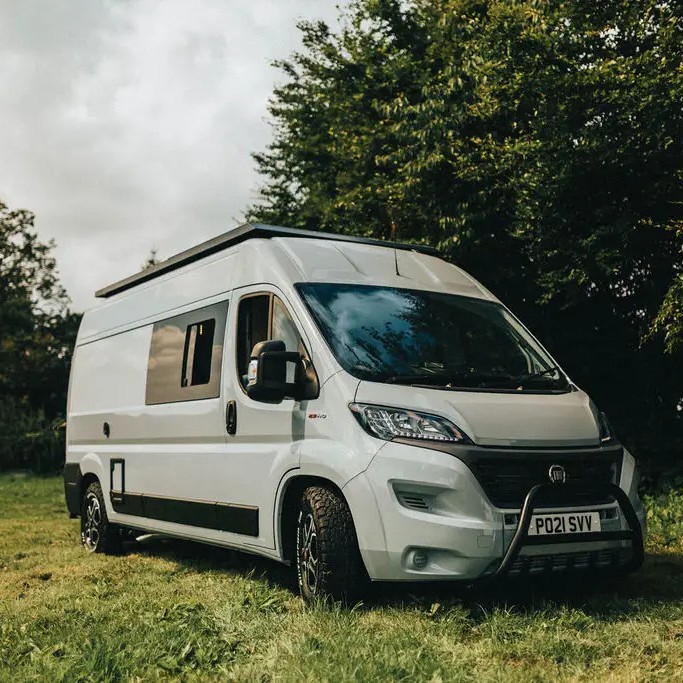
meeko square

You simply cannot learn that from photos or floor plans.

Why Hiring First Is the Smart Move

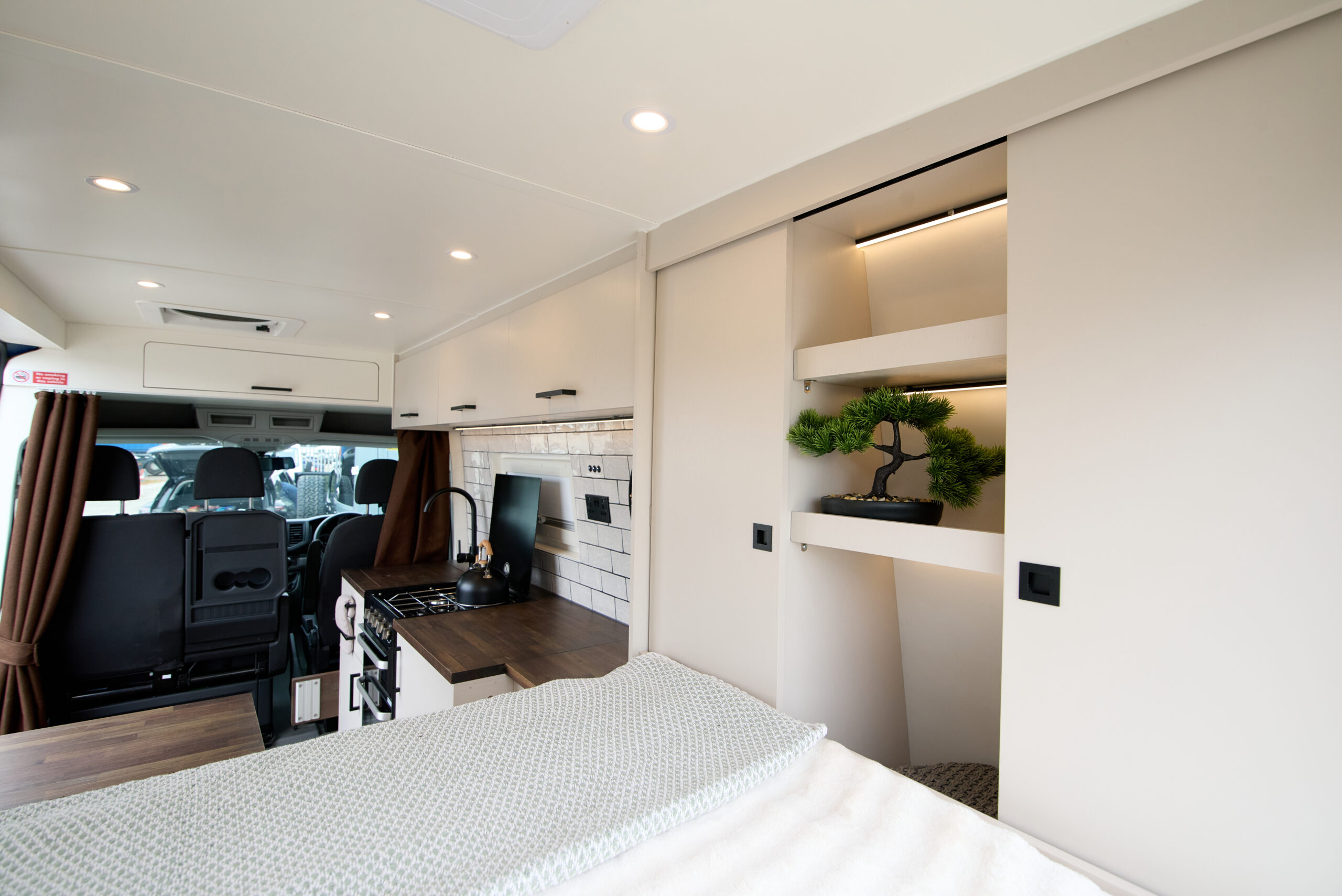
Hiring a campervan lets you experience campervan life properly. Not the Instagram version. The real one.

You get to:

  • Sleep in it for multiple nights
  • Cook proper meals
  • Live with the layout
  • Pack and unpack properly
  • Drive it on motorways and country roads
  • Use it in different weather

After just a few days you’ll know if campervan life is for you and you’ll already be ahead when designing your own build.
Try a Camper That’s Actually Built by Us

Here’s the important bit.

Many people Try Before They Buy in a van that’s nothing like what they actually want to build.

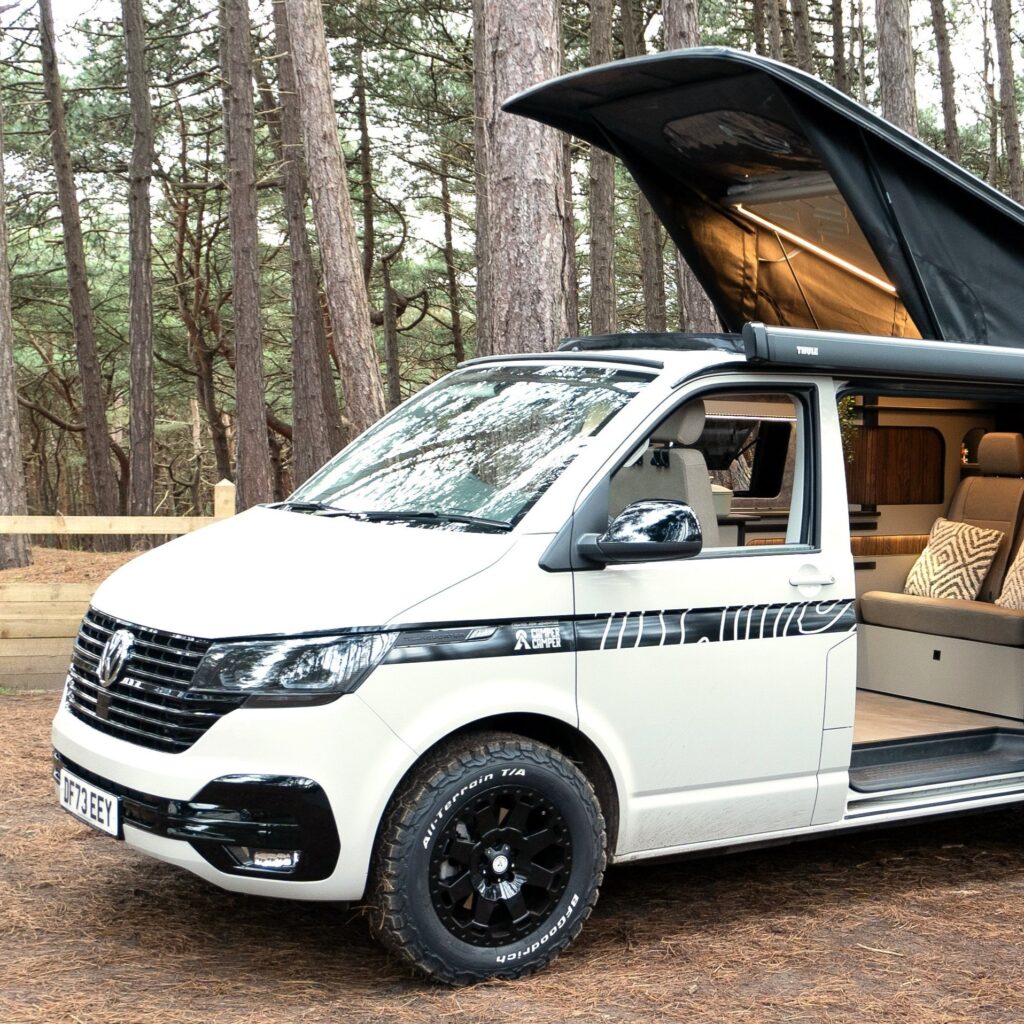
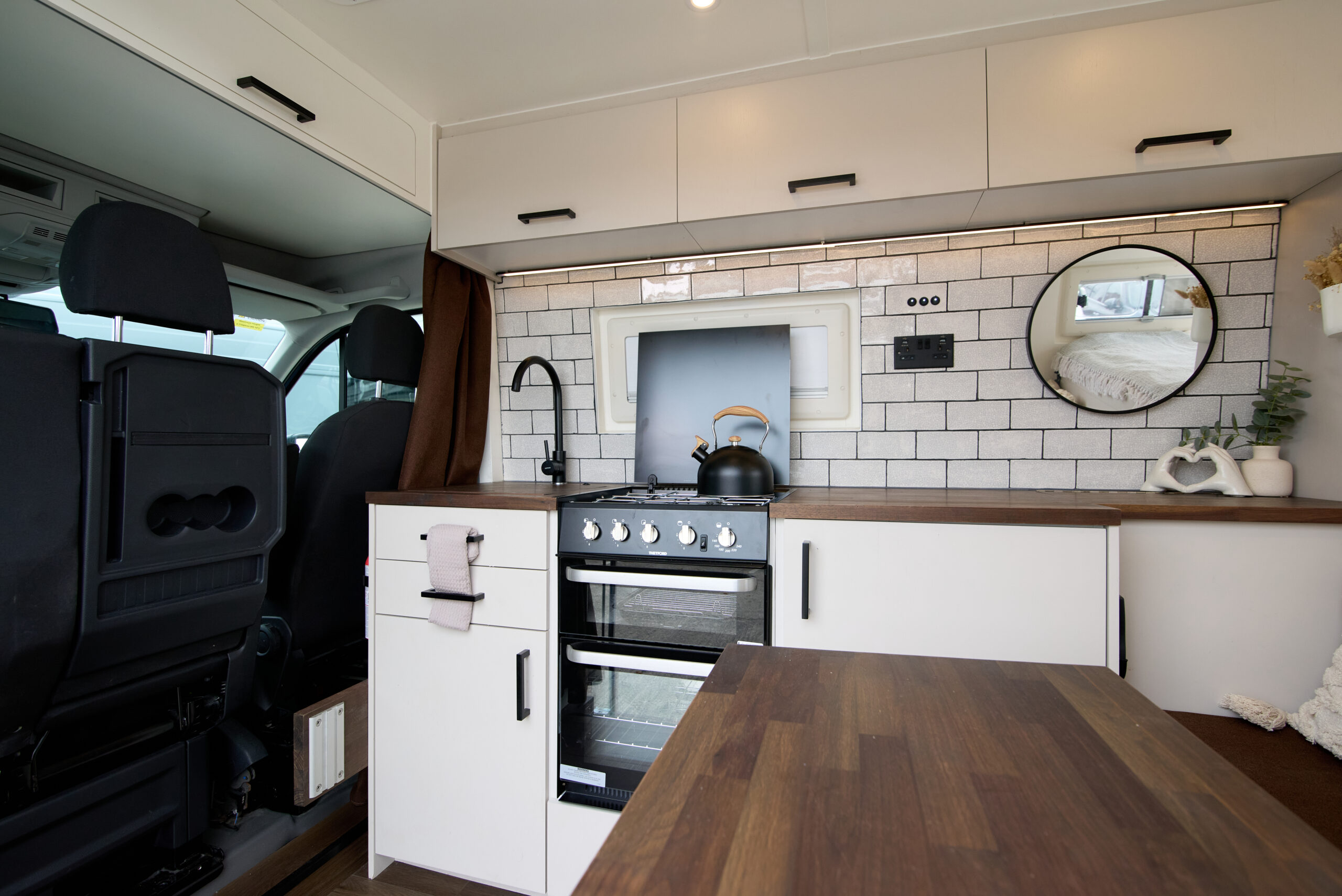
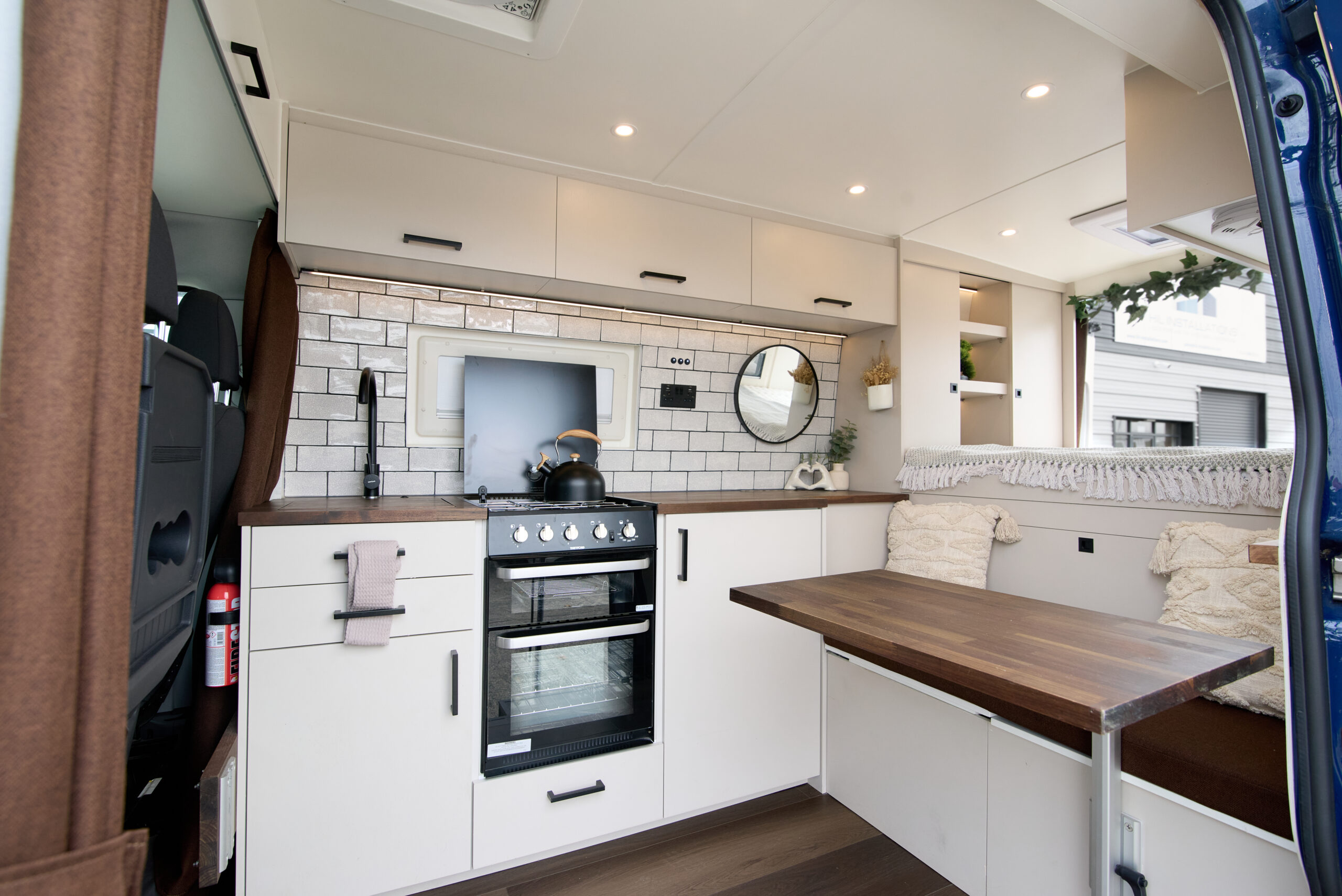
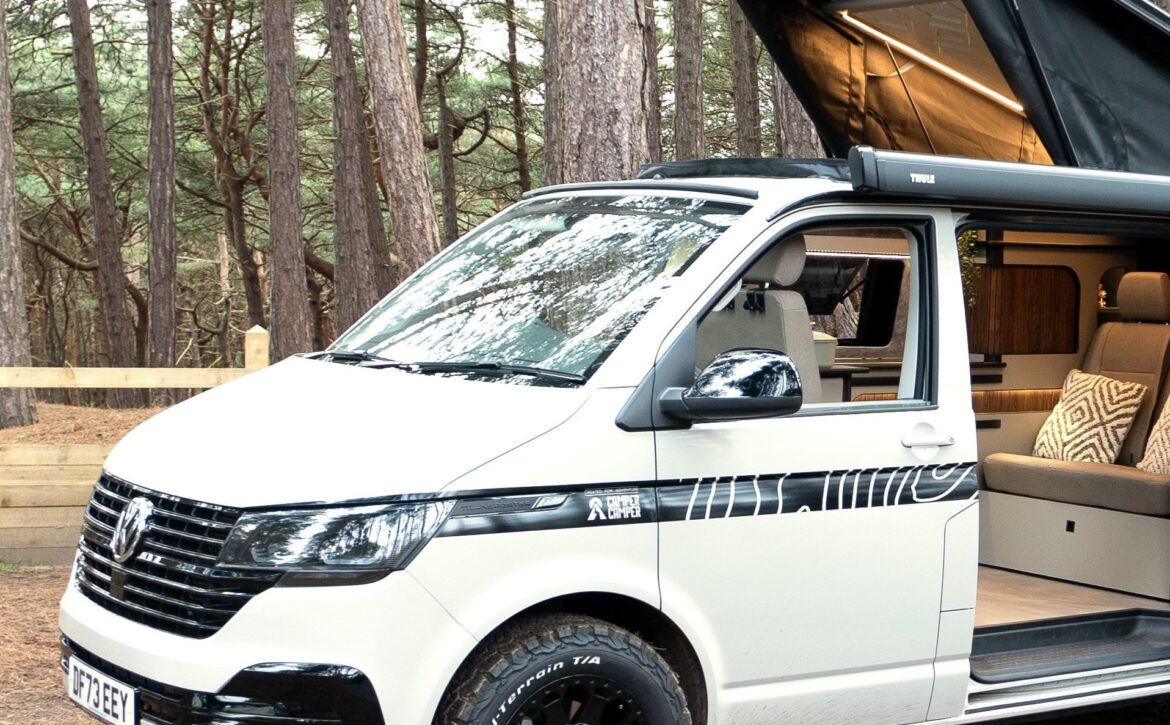
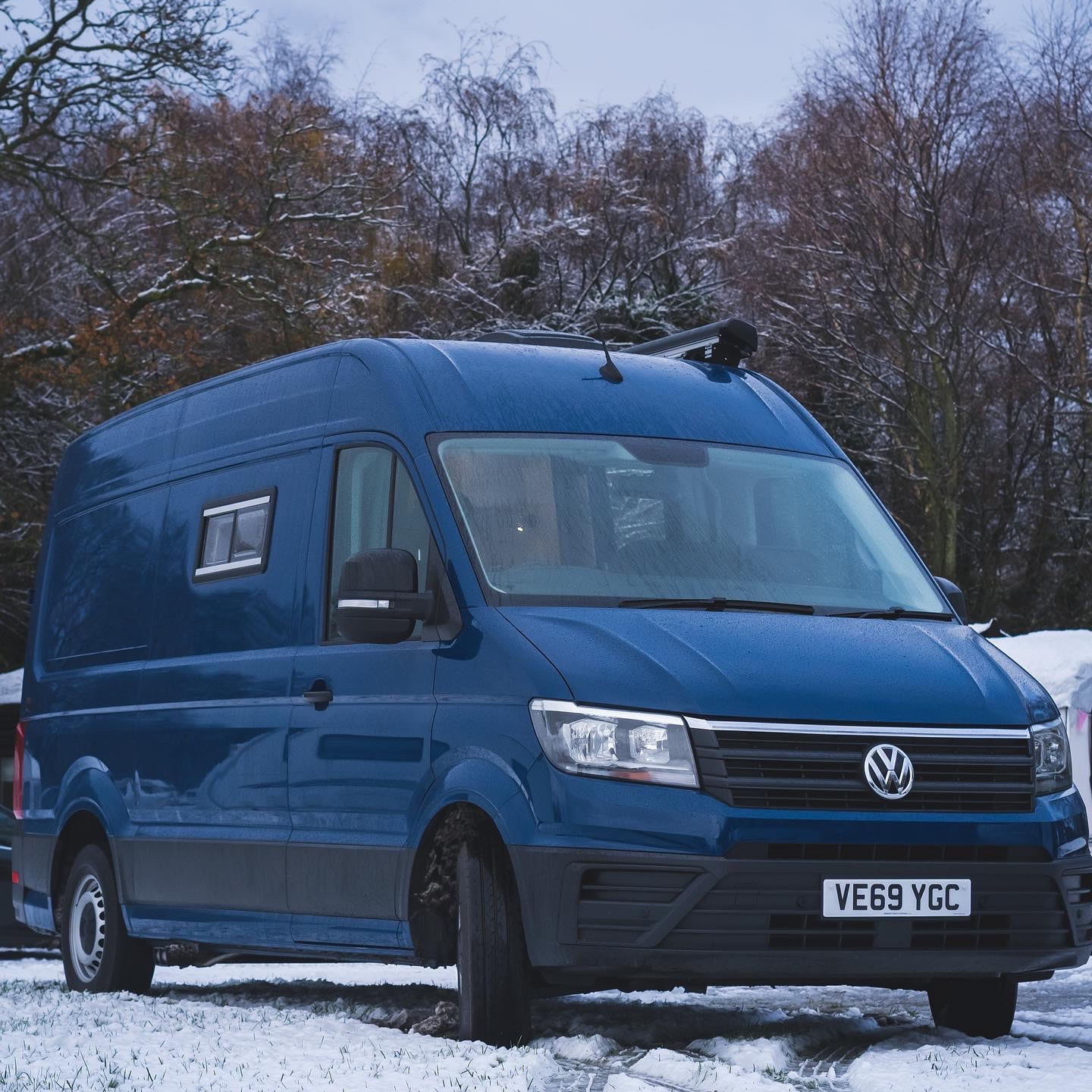
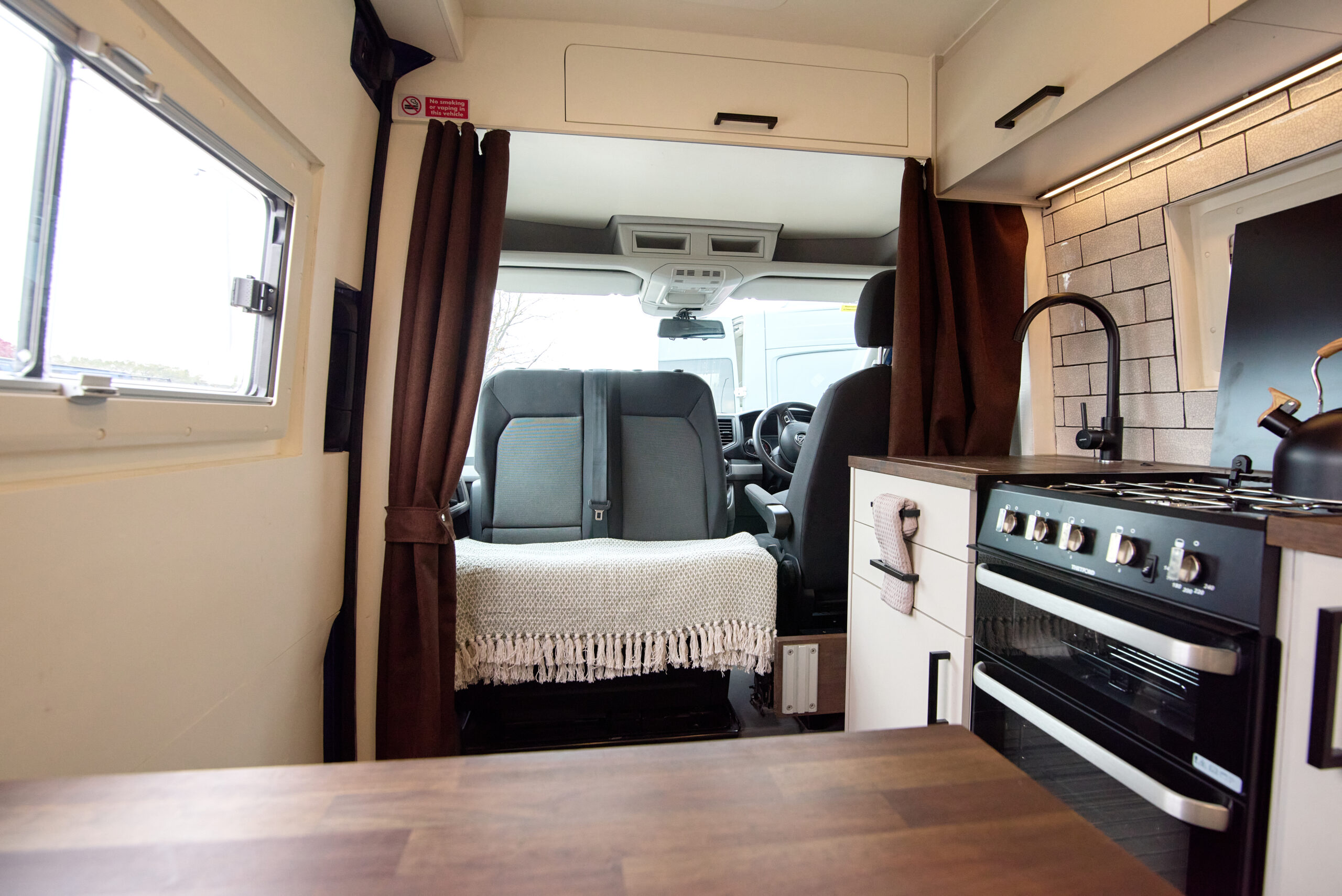
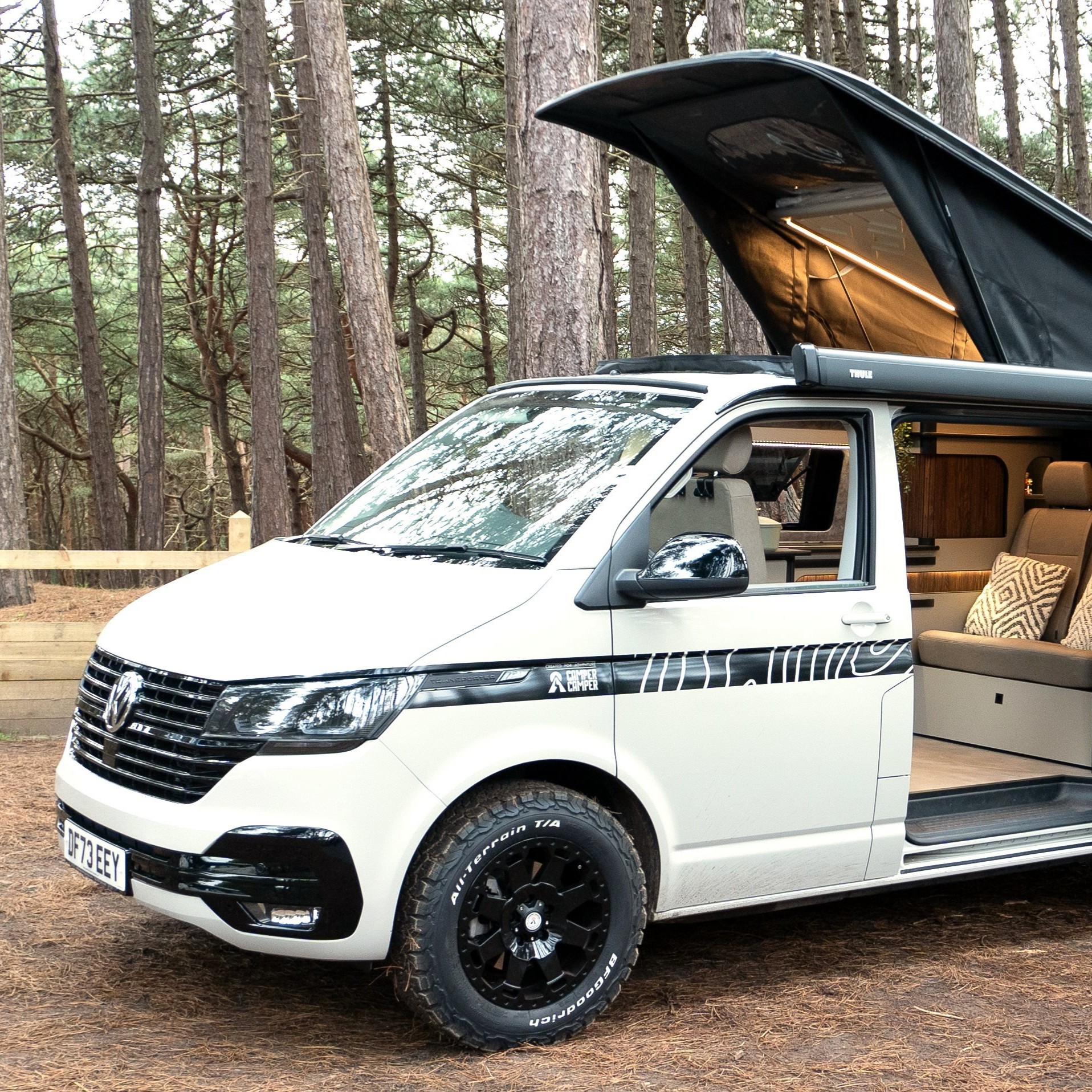
At Camper Camper Hire, you’re hiring vans designed and built by us.

That means:

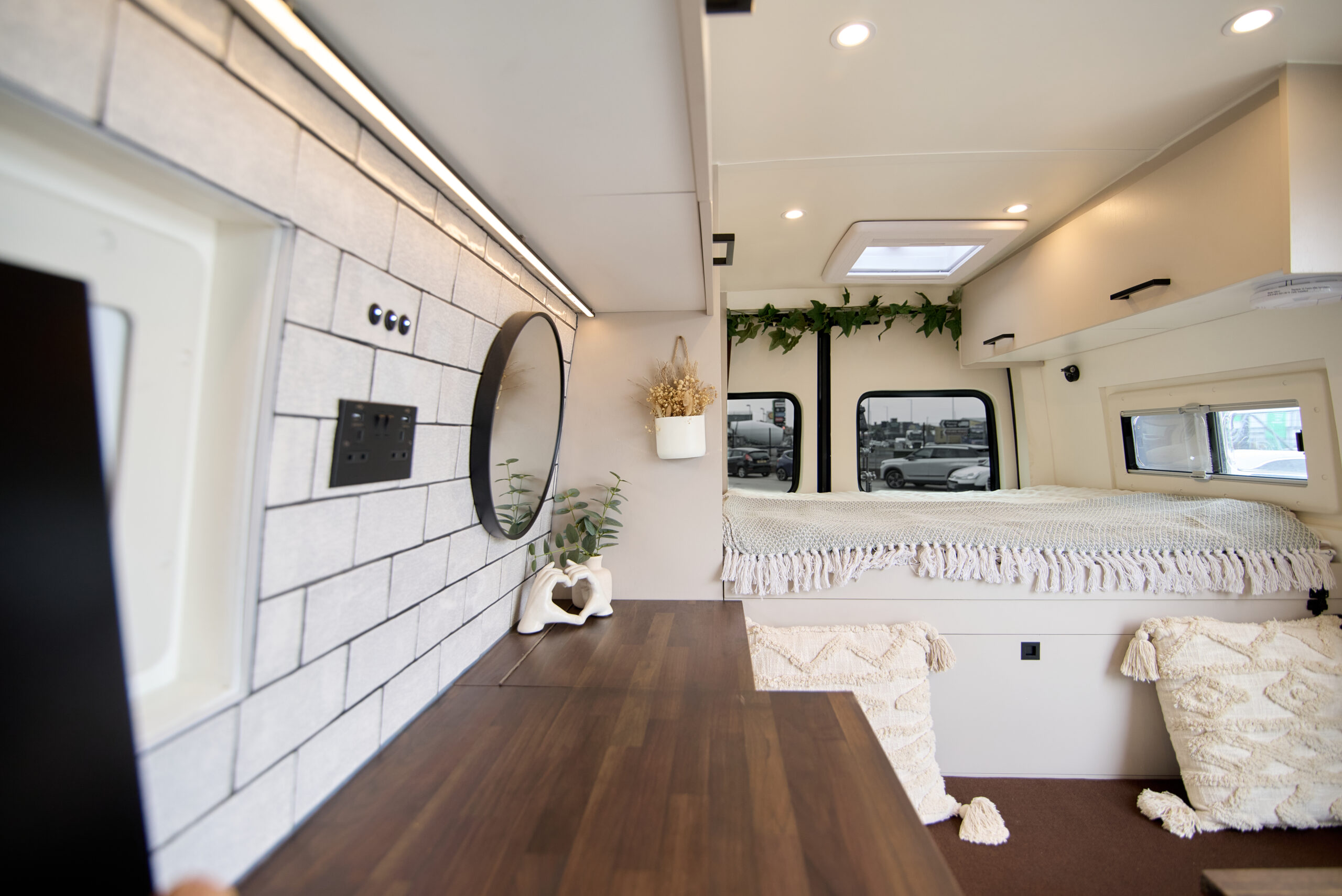
  • You experience our layouts
  • You use our storage solutions
  • You live with our craftsmanship
  • You see how our electrics and systems perform
  • You test real-world usability

If you later decide to commission a build, you’ll already know what works for you. You’ll Design a Better Campervan Because of It.

Customers who hire first always make better design decisions.

They come to us knowing:

  • What worked
  • What didn’t
  • What they would change
  • What they absolutely want again

That means fewer compromises, a smoother design process and a campervan that genuinely fits your life.

Final Thought

Campervans are incredible.

Try Before You Buy gives you clarity.

Even if you’re slightly unsure, a short hire could save you thousands and give you total confidence.

And if you fall in love with it you’ll know you’re building the right van.
Ready to Experience It for Yourself?

🚐 Unlimited Mileage
🛡️ Fully Comprehensive Insurance Included
🔧 Free Breakdown Cover
🍳 Fully Stocked Kitchen
🌍 European Travel
❄️ Winter-Ready Comfort
✅ Fully Certified & Road Legal

👉 Book your Camper Camper Hire today

Experience it properly. Then build it with confidence.
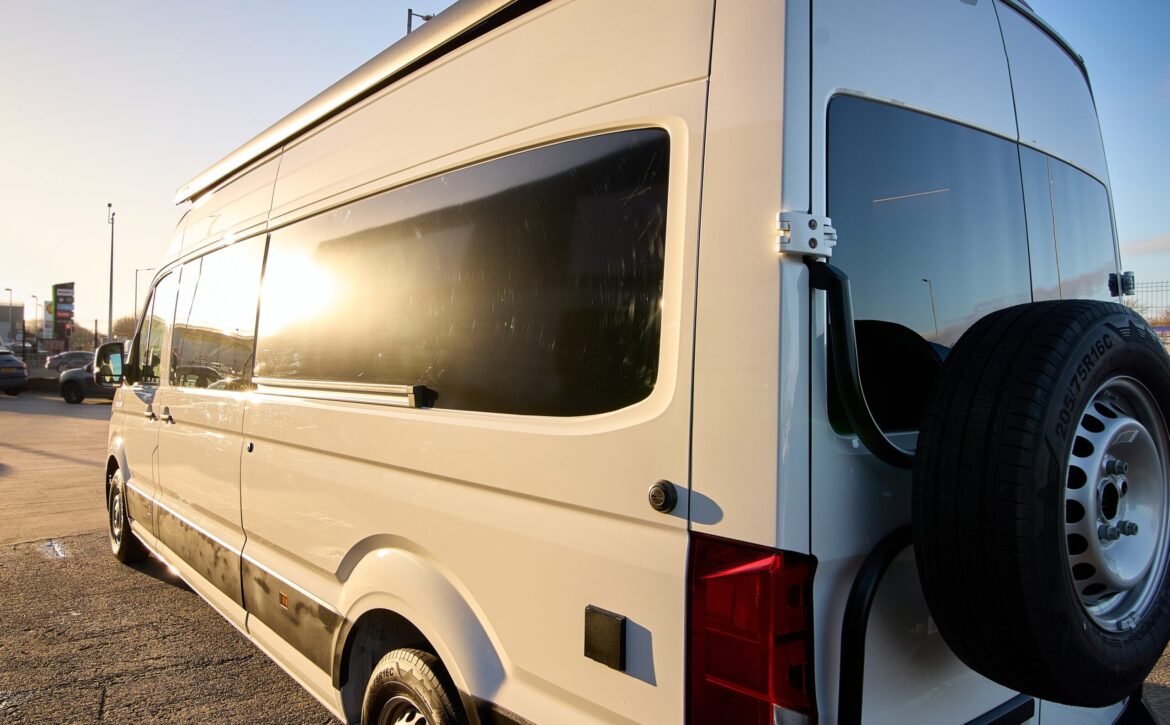
What Checks to Do on Your Campervan After Winter

🛠️Get ready for spring adventures with confidence.

After months in winter storage or a long break from camping, your campervan deserves a thorough once-over before you hit the road again. Spring brings warmer weather, but it also brings the risks of frost damage, damp, and wear from inactivity. Taking time to check essential systems now can save you time, money — and prevent breakdowns mid-trip.

🔋 1. Power & Battery: Start With Energy

Winter can take a toll on your vehicle and leisure batteries, especially if they were left unused for a long period.
✔️ Check battery charge levels and top up or fully recharge if needed.
✔️ Look for corrosion at terminals and clean as required.
✔️ Reconnect any auxiliary or leisure batteries removed for storage.

A weak or discharged battery is one of the most common spring issues for campervan owners.

🚐 2. Exterior & Tyres: Ready for the Road

Walk all around your campervan and look for signs of winter wear.
✔️ Inspect tyres for correct pressure, cracking, bulges and uneven wear.
✔️ Check tyre tread depths and age — tyres more than 5–6 years old often need replacing.
✔️ Look at bodywork for dents, cracks or seal damage around windows and doors.
✔️ Test all exterior lights (indicators, brake lights, headlights).

Proper tyre pressure improves handling, safety and fuel efficiency.

💧 3. Water System: Flush, Sanitize & Inspect

Frozen pipes or leftover water can lead to leaks and component damage.
✔️ Reconnect fresh water tank, refill and flush the system.
✔️ Check all pipes, taps, and tanks for leaks or frost damage.
✔️ If equipped with a pressure switch pump, make sure it only activates with a tap on.
✔️ Sanitize the water tank to remove bacteria that built up over winter.

Remember: even small leaks around joints can become bigger problems on the road.

🔥 4. Gas & Heating: Safety First

Your heating system might still be needed on cool spring evenings, so make sure everything works safely.
✔️ Test the heating unit and ensure water heats up properly.
✔️ Check gas hoses, pressure regulators and cylinders — replace old or expired parts.
✔️ Use a qualified technician for gas pressure testing and leak checks.

Gas system faults are serious — never skip this step.

🧰 5. Moving Parts, Doors & Accessories

Winter can stiffen mechanisms that weren’t regularly used.
✔️ Exercise and lubricate electric steps, awnings and bike racks.
✔️ Inspect windows, skylights, seals and blinds — clean and grease if needed.
✔️ Check roller blinds and mosquito nets for slack springs or damage.

A little light lubrication can prevent long-term wear and tear.

🪟 6. Interior & Damp Inspection

Standing still encourages condensation and mould.
✔️ Air out cupboards, soft furnishings and sleeping areas.
✔️ Check for signs of dampness or mould stains on fabrics or walls.
✔️ Ensure ventilation works properly — vents and roof hatches should open easily.

Catching damp early protects comfort and prevents costly internal damage.

📋 7. Final Safety & Mechanical Checks

Before your first journey, make sure the basics are all ready:
✔️ Check engine oil, coolant, brake fluid and washer fluid.
✔️ Look at belts, filters and fluid levels under the bonnet.
✔️ Test brakes, clutch and steering responsiveness.
✔️ Secure loose items inside the van to prevent movement while driving.

A short test drive after all checks helps identify any remaining issues.

🧭 In Summary

A spring-ready campervan is a safe campervan. After winter, take time to inspect:
✔️ Batteries & power systems
✔️ Tyres, exterior bodywork & seals
✔️ Water & gas systems
✔️ Moving parts and accessories
✔️ Interior ventilation and damp
✔️ Engine, fluids & safety equipment

Preparing now means more worry-free memories on your first camping trip of the year!

Looking for a Bespoke Campervan Conversion?

At Camper Camper you’re guaranteed that your campervan will be a high quality bespoke campervan conversion which seamlessly blends form and function, creating a stylish, comfortable, and practical space for off-grid adventures or full-time van life. 🚐💨

See our Portfolio to see a range of van conversions.

Get your Free Quote Now by calling 0151 2457 755 or complete our online enquiry form

Campervan Weight Limits

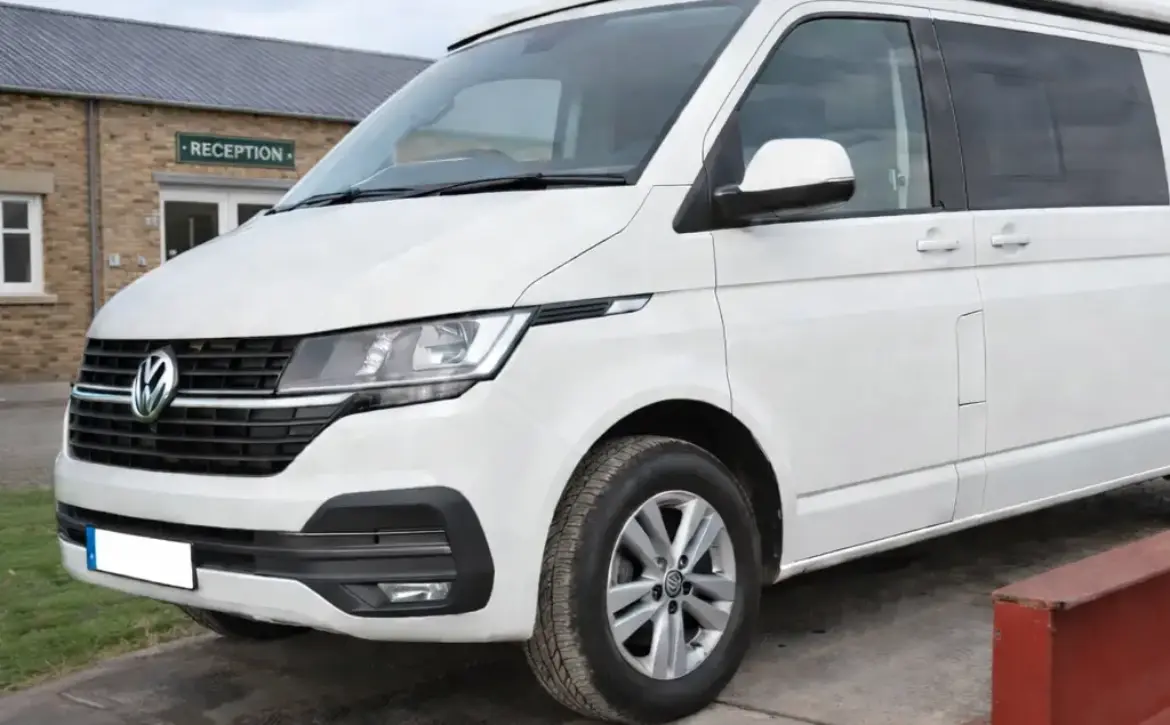
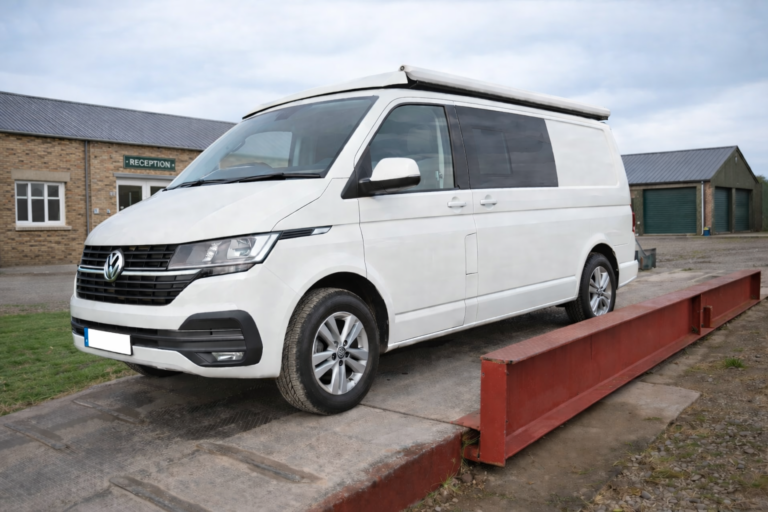
Campervan on weighbridge

Understanding Vehicle Weight Restrictions

Understanding vehicle weights is absolutely critical when designing and building a campervan. Get it wrong and you risk fines, failed inspections, invalid insurance, or worse. Below is a clear breakdown of how weight rules differ in the UK and the US, plus a few interesting facts campervan nerds will appreciate.

What Does “Vehicle Weight” Actually Mean?

Before comparing countries, it helps to understand a few key terms used worldwide.

  • Kerb weight
    The weight of the empty vehicle with fluids but no passengers or cargo.
  • Payload
    Everything you add. Furniture, electrics, water, fuel, passengers, dogs,bikes, food, the lot.
  • Gross Vehicle Weight (GVW)
    The maximum legal weight of the van once fully loaded.

This GVW number is the one that really matters.

Campervan Weight Limits in the UK

In the UK, most campervans are built to stay under 3,500kg GVW.

Why 3,500kg?

Because this is the maximum weight you can drive on a standard Category B car licence issued after 1997. Anything over that requires a C1 licence, which many people do not have.

What 3,500kg Really Means in Practice

A typical long wheelbase panel van might weigh around 2,100kgto 2,300kg empty. That leaves you roughly 1,200kgto 1,400kg for everything else. That sounds like plenty until you start adding:

  • Furniture and cabinetry
  • Poptop roof or high top
  • Diesel heater
  • Electrical systems and batteries
  • Fresh and wastewater
  • Fridge, cooker, sink
  • Passengers and luggage

Water alone can surprise people – 100 litres of water weighs 100kg.

Doris Campervan. Interior image of kitchen and bed

Legal Oversight in the UK

In the UK, weight compliance is taken seriously.

  • Vehicles are registered and modified through the DVLA
  • Enforcement is handled by the DVSA
  • Police and roadside checks can send vans to weighbridges

If you’re vehicle is overweight, you can be fined, points can be added to your licence, and in serious cases the vehicle can be prohibited from moving.

Insurance companies can also refuse to pay out if a van is found to be overweight after an accident.

Campervan Weight Limits: UK vs USA

If you have ever fallen down a campervan rabbit hole on YouTube or Instagram, you have probably noticed something.
American vans look massive. Big beds, huge water tanks, solid wood interiors, full size fridges and even garages inside the van.
Then you look back at UK builds and think… why are we so restricted?

A huge part of the answer comes down to legal weight limits.

USA campervan - solid wood furniture

Campervan Weight Rules in the United States

In the US, the most common campervan platforms are rated at 8,550lbs to 11,030lbs GVWR or roughly 3,875kg to 5,000kg. And that is still considered a light duty vehicle.

Why the US Has More Freedom

There are a few big reasons American builds can be heavier.

  • Licence rules are more relaxed
    Most US states allow you to drive vehicles up to around 26,000lbs on astandard licence.
  • Road infrastructure
    Roads, parking and campsites are generally designed for larger vehicles.
  • Different enforcement culture
    Overweight roadside checks for private campervans are far less common thanin the UK.
  • Bigger base vehicles
    American vans often start heavier but also allow much higher payloads.

In short, builders have far more headroom before hitting legal limits.

Interesting Weight Facts Campervan Fans Love

  • Solid hardwood furniture can add hundreds of kilos very quickly
  • Lithium batteries can save 40 to 60 percent of the weight compared to AGMbatteries
  • Full fuel tanks can add 70 to 100kg on larger vans
  • Roof racks, awnings and solar panels all count towards GVW
  • People often forget to include themselves when calculating payload

One of the most common mistakes DIY builders make is weighing the van empty but forgetting to re-weigh it fully loaded for a trip.

Can You Increase Legal Weight in the UK?

Yes, but it comes with trade-offs.

You’ll usually need:

  • Suspension upgrades (springs, air assist, uprated axles)
  • Confirmation that brakes, chassis, and tyres are suitable
  • A formal assessment by anapproved uprating specialist

However:

  • You may need a C1 licence
  • Insurance costs can increase
  • Speed limits change
  • Some city restrictions apply

For many UK builders, staying under 3,500kg is still the sweet spot.

Why UK Campervan Design Is All About Efficiency

The tight weight limit in the UK has actually driven some brilliant design innovation.

  • Lightweight CNC furniture
  • Clever storage solutions
  • Combined appliances
  • Slimline insulation systems
  • Modular layouts

UK builders often have to think like yacht designers. Every kilo matters.

Meanwhile, US builds often prioritise comfort and space over weight savings.

Neither approach is better. They are just shaped by the laws they sit under.

Final Thoughts

If you ever wonder why American vans look like apartments on wheels while UK vans look more compact and innovative designs, weight limits are a massive part of the answer.

Understanding GVW early in a build can save huge headaches later. Whether you are converting your own van or commissioning a professional build, weight should always be part of the conversation from day one.

2026 – A New Chapter for Camper Camper

Our First Check-In of the Year

This is our first check-in of the year, and we wanted to share a bit of what’s been happening behind the scenes at Camper Camper.

Over the past eight or nine years, we’ve learned a huge amount. We’ve built vans, built brands, and, most importantly, learned what works, what doesn’t, and where things can start to slow down as our business grows.

As Camper Camper has evolved, one thing has become increasingly clear: offering fully bespoke, one-off builds for every project, while exciting and creative, has also created a bottleneck. Each custom build requires a huge amount of design input, planning, communication, and problem-solving, on top of the day-to-day running of the business.

When everything is a one-off, it slows the whole process down. Designs take longer, workshop handovers become more complex, and ultimately it impacts efficiency. Not just for us, but for our customers too.
So over recent months, we’ve been working on realigning the business.

Our goal is simple:

To keep the craftsmanship, attention to detail, and quality we’re known for, while building vans with greater consistency and efficiency. This isn’t about cutting corners. It’s about refining how we work, reducing friction, and creating a smarter way to deliver exceptional campervans without compromising on what makes Camper Camper – Camper Camper.

We’re genuinely excited about what’s coming next, but we’re not giving too much away just yet.

What we can say is this:

We’ve set some big goals for the year, and the first quarter is shaping up to be an exciting one.

Stay tuned—and we’ll check in again soon.

Tom Davies
MD – Camper Camper

Camper Camper Logo

Do VW Campervans Maintain their Value?

Do VW Campervans Hold their Value?

Yes, VW campervans generally hold their value well, and some even appreciate over time.

1. Strong Brand & Cult Following

VW has a long-standing reputation for quality campervans, dating back to the iconic VW Type 2 (T1 and T2). The modern Transporter-based campers, like the VW California, continue this tradition, making them desirable and collectible.

2. High Demand & Limited Supply

VW campervans have a loyal community, and demand often outstrips supply—especially for well-maintained older models or fully equipped factory conversions like the VW California. The strong second-hand market keeps prices high.

3. Durable & Well-Built

VW campers are known for their solid build quality. If properly maintained, they last for decades, helping them retain value compared to cheaper conversions on less reputable base vans.

4. Classic Models Appreciate in Value

Vintage VW Campers (T1, T2, T3): Classic models have skyrocketed in value, with some fetching six-figure sums.

T4 & T5 Models: These are becoming modern classics, with good examples appreciating.

T6 & T6.1 (California Models): These hold their value very well due to their premium features.

5. Conversion vs. Factory Models

VW California (Factory Conversion): Holds value the best as it’s a purpose-built VW model with a solid resale market.

A high-quality bespoke campervan conversion by a reputable company like Camper Camper will retain its value over time.

6. Rising Popularity of Van Life

With more people seeking flexible travel options, campervan values have remained strong. Post-pandemic, demand surged, and resale prices have stayed high.

7. Depreciation Rates

New VW California: Depreciates slowly compared to other campervans. After 3–5 years, it retains around 70-80% of its value.

Older Models (10+ years): Can still command high resale prices if well maintained.

If you’re considering a VW campervan for your off-grid weekends, it’s a solid investment. Buy well, maintain it properly, and it should hold (or even gain) value over time. 🚐💨

What makes a Quality Bespoke Campervan Conversion?

What makes a Quality Bespoke Campervan Conversion?

A quality bespoke campervan conversion is a thoughtfully designed, expertly crafted, and highly functional transformation of a van into a home-on-wheels tailored to an individual’s needs and lifestyle. Here’s what sets apart a top-tier custom conversion:

1. Smart Space Utilization

  • Ergonomic Layout: A well-planned floor plan ensures seamless movement inside the van, making efficient use of available space.
  • Modular Design: Foldable, multi-purpose furniture (e.g., a bed that doubles as a seating area) maximizes usability.

2. Premium Materials & Craftsmanship

  • Durable Cabinetry: Lightweight but sturdy wood or composite materials (e.g., birch plywood, bamboo) for longevity.
  • High-Quality Finishes: Soft-close drawers, stylish countertops, and seamless edge banding provide a polished look.
  • Precision Joinery: Expert carpentry ensures smooth finishes, secure fittings, and resistance to travel vibrations.

3. Comfort & Liveability

  • Insulation & Climate Control: Proper insulation keeps the van warm in winter and cool in summer.
  • Ventilation & Airflow: Roof vents, windows, and extractor fans prevent condensation and improve air quality.
  • Heating & Cooling: Diesel or LPG heaters for warmth; optional A/C or passive cooling strategies for hot climates.

4. Electrical & Off-Grid Power System

  • Solar Panels: A robust off-grid power system with MPPT controllers and lithium batteries for long-term sustainability.
  • Inverter & Shore Power: A high-quality inverter allows the use of household appliances, while shore power hookups provide backup options.
  • LED Lighting: Dimmable LED lights offer efficient and customizable illumination.

5. Water & Plumbing System

  • Fresh & Grey Water Tanks: A reliable water storage and drainage system for off-grid convenience.
  • Filtration System: Ensures clean drinking water from various sources.
  • Hot Water Availability: Options like a Truma boiler or gas/electric water heater for showers and washing up.

6. Functional Kitchen Setup

  • Built-in Stove & Sink: Integrated gas or induction cooking with a deep sink for washing dishes.
  • Ample Storage: Overhead cabinets, slide-out pantry, and under-seat compartments for food and utensils.
  • Compressor Fridge: Energy-efficient refrigeration for off-grid travel.

7. Sleeping & Seating Solutions

  • Fixed or Convertible Bed: A cozy, high-density memory foam mattress for restful sleep.
  • Swivel Seats & Lounge Area: Driver and passenger seats that rotate to create a social space.

8. Safety & Roadworthiness

  • Certified Gas & Electrical Installations: Ensuring compliance with UK safety standards.
  • Crash-Tested Seating: If extra travel seats are installed, they should be crash-tested for safety.
  • Fire & CO Detectors: Essential for alerting to potential hazards.

9. Personalization & Aesthetics

  • Custom Interior Styling: Aesthetic choices tailored to the owner’s preference, from modern minimalist to rustic charm.
  • Unique Features: Such as hidden compartments, fold-out desks, or bike storage.
  • Outdoor Extras: Awning, roof racks, or an outdoor shower for adventure seekers.

At Camper Camper you’re guaranteed that your campervan will be a high quality bespoke campervan conversion which seamlessly blends form and function, creating a stylish, comfortable, and practical space for off-grid adventures or full-time van life. 🚐💨

See our Portfolio to see a range of van conversions.

Get your Free Quote Now by calling 0151 2457 755 or complete our online enquiry form

Spring Clean and Essential Checks for your Campervan 2025 Adventures

Spring has arrived, and it’s time to wake your campervan from hibernation! Before you hit the road for new adventures, a proper clean and a few essential checks will make sure everything runs smoothly and comfortably. Whether you’re heading off for weekend getaways or longer journeys, this guide will help you prep your van for a safe and fresh start to the season.

Essential Checks

Battery

Test your leisure and vehicle batteries to make sure they’re holding charge properly. Cold weather can reduce battery efficiency, so if you’re noticing slow startups or weak lighting, it might be time to recharge or replace them.

Lights

Check that all your lights—headlights, brake lights, indicators, interior, and spotlights—are working correctly. It’s a quick job that’s crucial for safety, especially if you’re planning to drive at night or in remote areas.

Gas and Water Pipework

Inspect for any cracks, leaks, or corrosion in your gas and water systems. Run water through the pipes and test your gas appliances. It’s also a good idea to check gas regulators and pipe connections for wear.

Oil Level

Top up or change your engine oil to keep everything running smoothly. If your camper’s been parked up for months, old oil can degrade and become less effective at protecting your engine.

Windscreen Wipers and Screen Wash

Give your wipers a test—if they’re streaky or split, replace them. Also, refill your screen wash reservoir with a fresh solution for clear visibility during those scenic drives.

Tyre Pressure

Check the pressure in all your tyres, including the spare. Tyres can lose air over time, and uneven pressure can affect fuel efficiency and road safety. While you’re at it, inspect for wear or cracks.

Fuel

Make sure you’ve got enough fresh fuel in the tank. Old fuel can go stale if it’s been sitting for months. Top it up and take a short drive to circulate fluids through the engine.

Cleaning

Kitchen Area

Wipe down all surfaces, clean out cupboards, and double-check expiry dates on your food supplies. Give your fridge a deep clean and leave the door ajar when not in use to avoid smells.

Bathroom

Scrub the toilet, shower area, and any sinks with eco-friendly cleaners. Refill toiletries and check your grey water tank for any build-up. A fresh-smelling bathroom is always a win!

Clean Solar Panels

Dust, pollen, or bird mess can reduce the efficiency of your solar panels. Give them a gentle wipe with a soft cloth and water—no harsh chemicals needed.

Wash Your Campervan

Give the exterior a proper wash, including the roof. Winter grime, salt, and dirt can damage paintwork over time. A clean van not only looks great but protects your investment.

Clean Cab Area

Don’t forget the driver’s seat! Vacuum floors, clean dashboards, and clear out glovebox clutter. It’s your command centre, so make it feel good to be behind the wheel again.

Clean Awning

Open up your awning and check for any mildew, mold, or damage. Give it a clean with warm soapy water and let it dry fully before rolling it back up.

Water Tanks

Flush out both fresh and waste water tanks with a tank cleaner or vinegar solution. Rinse thoroughly and let them air dry if possible. This prevents unpleasant smells and keeps water tasting fresh.

Light Maintenance

Touch Up Painting

Look over your van for chips, rust spots, or scratches in the paintwork. Touching them up early prevents corrosion and keeps your camper looking fresh for the year ahead.

Laundry

Cushions and Bedding

Wash all cushion covers, blankets, and bedding to remove any musty smells picked up over winter. Fresh linens make your camper feel like home again—and it’s always nice to climb into a clean bed after a day of adventuring.

Looking for a Bespoke Campervan Conversion?

At Camper Camper you’re guaranteed that your campervan will be a high quality bespoke campervan conversion which seamlessly blends form and function, creating a stylish, comfortable, and practical space for off-grid adventures or full-time van life. 🚐💨

See our Portfolio to see a range of van conversions.

Get your Free Quote Now by calling 0151 2457 755 or complete our online enquiry form

Odyssey Signature Build

Fill out the form below to download our the Odyssey Signature Build

Contact Information

Odyssey Plus+ Signature Build

Fill out the form below to download our the Odyssey Plus+ Signature Build

Contact Information

ATLAS PLUS+ Signature Build

Fill out the form below to download our the Altas Plus+ Signature Build
Contact Information

ATLAS Signature Build

Fill out the form below to download our the Altas Signature Build

Contact Information
Sign Up and join the Camper Camper Community!